01PRINCIPLE
Open source first
We publish the parts other people can build on before we sell anything built on them.

Nonce Logic
We've built software for about twenty years. Now we build the tools we wanted while building with agents, and write up what we learn in the journal.
How we work
Twenty years of shipping software left us with opinions. These are the ones that held up once agents started doing most of the typing.
We publish the parts other people can build on before we sell anything built on them.
The factory is judged by how good the products are. Commit counts are not on the scorecard.
If we cannot point to something the running product did, we do not claim it.
Agents do most of the building. A person decides anything with consequences.
Each experiment gets written up in the journal, including the ones that failed.
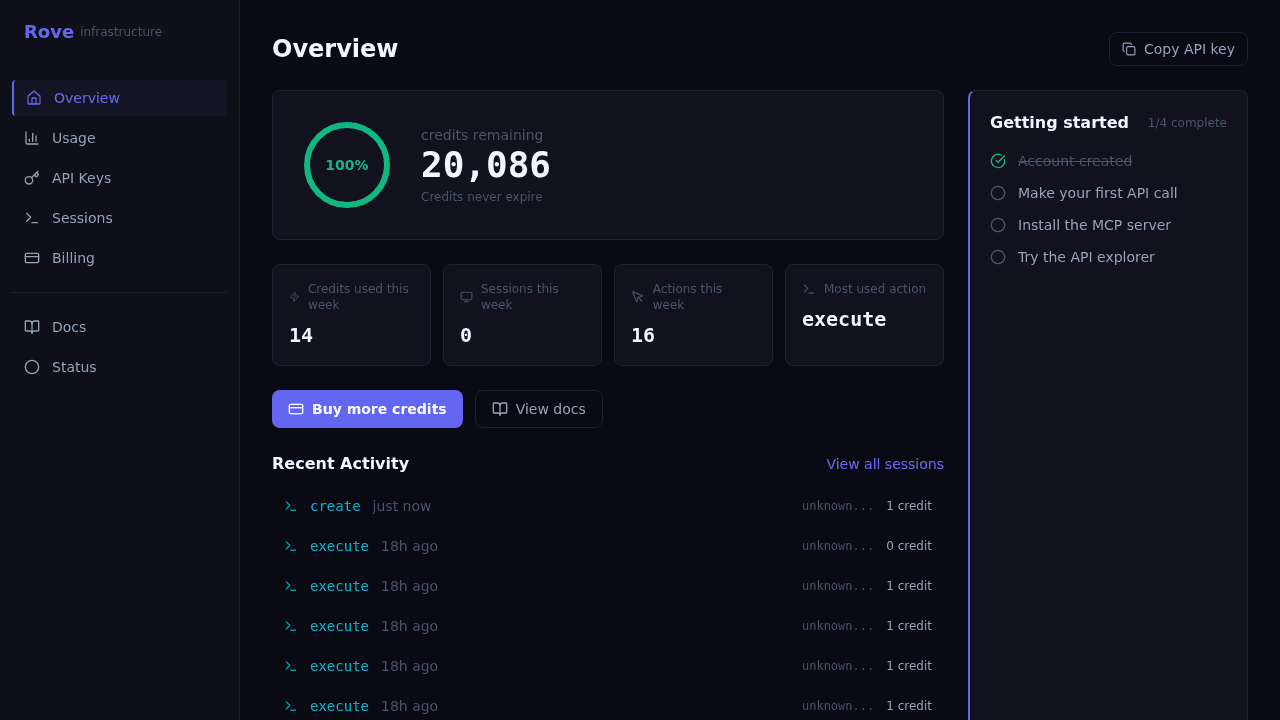 Rove / SUPERVISE
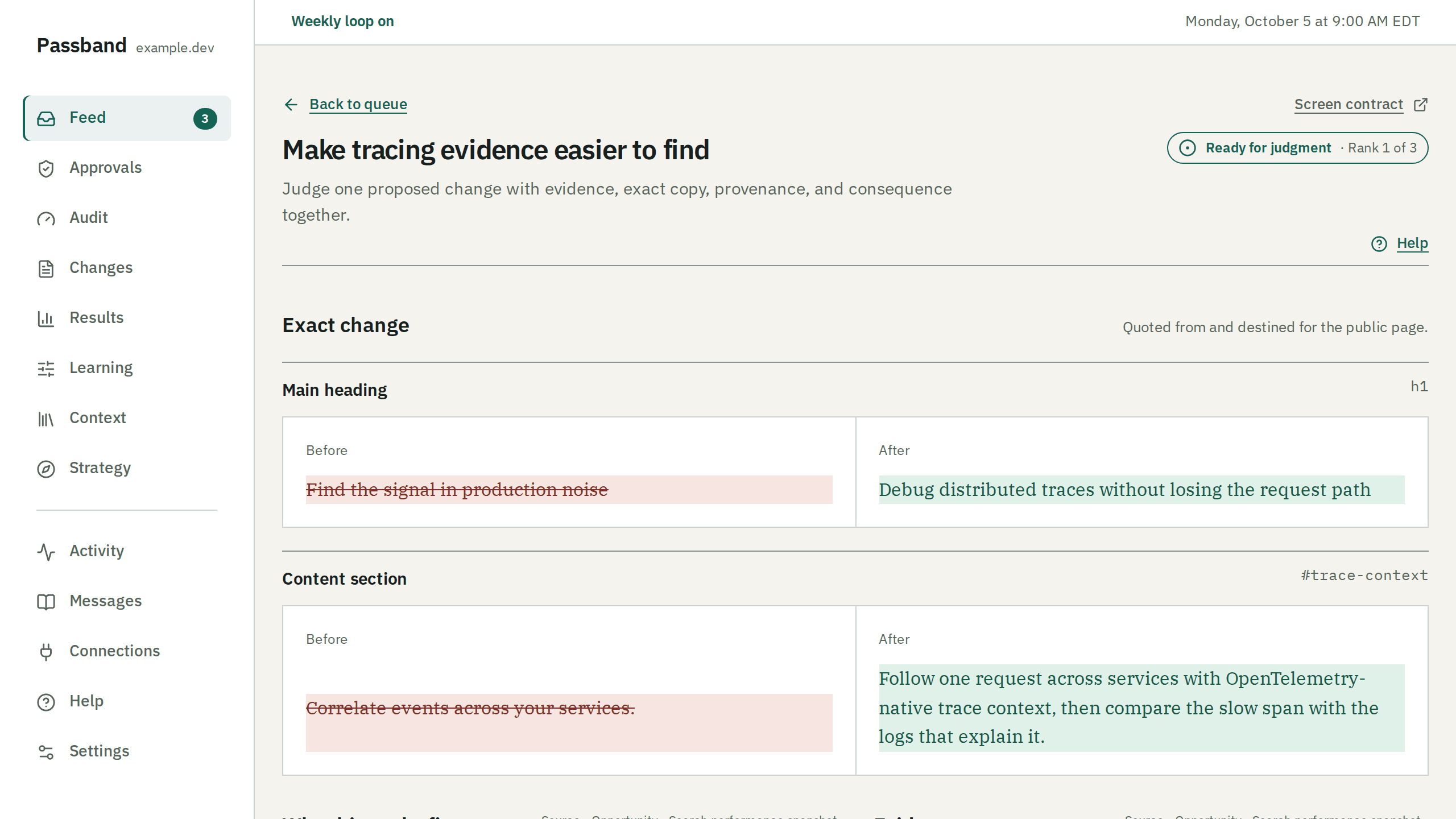 Passband / REVIEWRove / SUPERVISEPassband / REVIEWRove / SUPERVISEPassband / REVIEWPassband / REVIEWRove / SUPERVISEPassband / REVIEWRove / SUPERVISEPassband / REVIEWRove / SUPERVISE
Products
01 / SUPERVISE
A browser your agent can share with you
Your agent drives a real browser. When it gets stuck or needs a decision, you take over the same session, then hand it back. Rove works over REST, MCP, and SDKs.
Explore Rove02 / REVIEW
Search growth for technical founders
Passband reads your Google Search Console data, ranks the pages worth working on, and drafts the change. You decide what to apply, and Passband checks whether it helped.
Explore PassbandResearch
We sorted 69 production bugs from building Passband. They clustered at the seams between data, API, and UI, where each side looked correct on its own.
Every production bug from the Passband build, sorted by cause.
Nonce Logic vault: agentic-build-bug-economics-2026Normalization, design tokens, and flow-level verification.
Nonce Logic vault: agentic-build-bug-economics-2026Data, API, and UI: the seams where each side looked correct on its own.
Nonce Logic vault: Agent Quality SystemJournal
Notes from building with agents: context engineering, agent harnesses, and what the factory gets wrong.
Our merge rule stated plainly, with local verification as the real gate, red checks as a hard stop, and absent checks handled as a recorded coverage gap.
Five papers treat the context an agent receives as a selection policy that can be measured: what to keep, what to render, what to disclose, and which records a decision depends on.
How our agent delivery train keeps work moving while code review runs: parallel lanes on separate files, review as a queue, and a failed review as a new task rather than a blocked lane.
Follow along